
Is a Sensory Gym Worth It for a Pediatric Therapy Clinic?
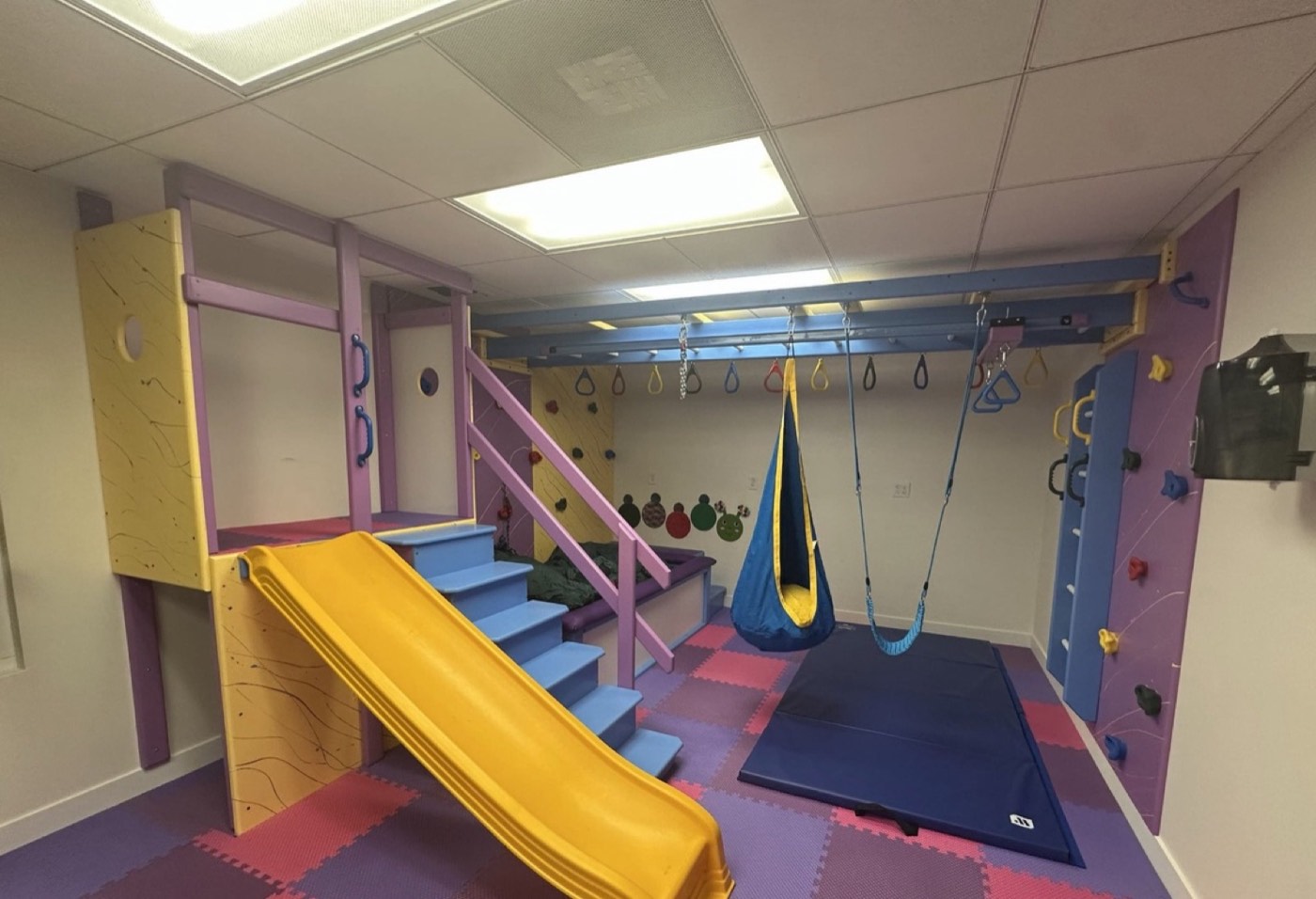
A sensory gym is worth it for most pediatric therapy clinics that treat sensory and motor needs, because it gives your therapists the swinging, climbing and crashing their sessions depend on and gives parents a room they can picture their child in before the first visit. The return shows up on both sides of the business, in better-equipped sessions and in a clinic families choose and recommend, provided the gym is designed around your room and your caseload. This guide covers how to judge a sensory gym for a therapy clinic: what it does clinically, what it does for growth, how to weigh the cost, how to plan the install, and what to ask any vendor.
This article covers:
- What a gym does for therapy sessions, and what the research supports
- What it does for referrals, retention and new programs
- How to judge the cost and the payback
- How to plan an install without pausing therapy
- What to ask any sensory gym vendor
What does a sensory gym do for therapy?
A sensory gym gives therapists controlled ways to provide two kinds of input a treatment table can't. Vestibular input comes from movement and changes in head position, like swinging, spinning and sliding. Proprioceptive input comes from muscles and joints working against resistance, like climbing, hanging from a trapeze bar, pushing and landing in a foam pit. Occupational therapists use that input inside play-based sessions to help a child regulate, build motor planning and stay engaged long enough to work on the goals parents care about, such as dressing, handwriting or getting through a school day. Speech, PT and ABA teams use the same equipment for movement breaks, motor goals and play that keeps a child participating.
Keep your claims about outcomes modest, because the research is careful too. A 2025 systematic review in the American Journal of Occupational Therapy found that Ayres Sensory Integration delivered with fidelity supports autistic children's individualized goals related to occupational performance, function and participation, and it advised against using the approach to address behaviors such as irritability or resistance to change. An earlier AJOT systematic review found the strongest evidence for individualized goals as well, with insufficient evidence for several other outcomes. Fidelity depends partly on the room: the structural section of the Ayres Sensory Integration Fidelity Measure covers physical space and equipment, including ceiling hooks, rotational devices and bungee cords for suspended equipment. If your OTs are trained in sensory integration, a room without that infrastructure limits what they can deliver. The equipment is a tool in a trained therapist's hands, and the gym's job is to give that therapist room to work.
What does a sensory gym do for the business?
Parents choose the clinic they can picture their child in. A parent comparing two OT practices after a pediatrician referral will look at photos of both, and the one with a bright gym full of swings and a climbing wall feels like somewhere their child would want to go, which matters a great deal when that child is anxious about new places. The same picture appears on your Google Business Profile, your website and your clinic's social media, so the gym does marketing work every day it exists.
The gym also helps you keep families. Kids who look forward to sessions make attendance easier for parents, and parents who see their child excited at pickup talk about it at school drop-off and in local parent groups, which is the word of mouth pediatric clinics grow on. Pediatricians, teachers and other referral sources notice it too. A well-designed room also gives you capacity beyond billed therapy, from open play to birthday parties, which we cover in our guide to pediatric clinic revenue streams beyond insurance. Fun Factory reports that many of the clinics it has built gyms for have expanded to second and third locations.
How do I figure out whether the cost makes sense?
Start with your own numbers. The useful questions are how many sessions a week the gym will be used for, whether it lets you add therapists or hours you can't add today, how many new families a stronger first impression might bring in, and what an evaluation is worth to you. Fun Factory's sensory gym ROI calculator lets you enter your disciplines, the number of therapists using the gym, added sessions, your session rate and expected referrals, and it models the payback period and added revenue for your clinic. Its sensory gym investment page walks through ROI, referral impact and the payback timeline in more detail.
Financing changes the math for many practices, because payments can come out of the revenue the gym helps produce. Fun Factory's PLOT (Pediatric Leaders of Tomorrow) program offers first-time Fun Factory customers 0% interest financing over 6 to 12 months for qualifying practices. Whichever vendor you consider, compare quotes on the same scope, covering design, equipment, manufacturing, delivery and installation, plus what happens if a piece is damaged later.
How do I plan a gym without shutting down therapy?
Planning starts with the room you have. Measure the ceiling height and find out what's above the ceiling, since suspended equipment needs proper structural support, then note windows, doors, outlets and where kids will wait between activities. Bring photos, prints or rough sketches to the first conversation. Fun Factory's design and installation process starts with a consultation and moves into a design phase with unlimited revisions, so you can move a climbing wall or add a quiet area until the plan fits the way your therapists actually work.
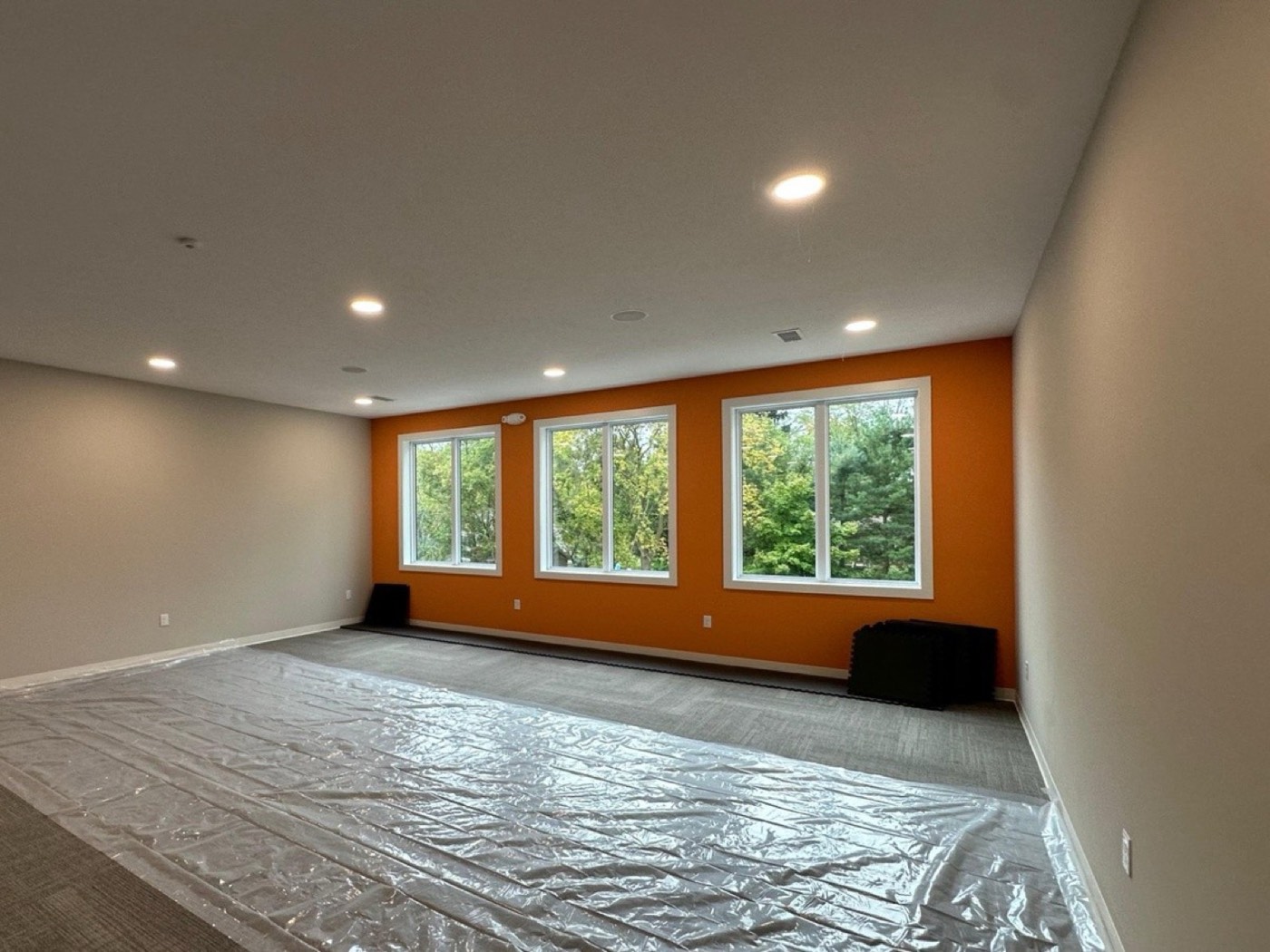
Most gyms start as an empty room like this one, photographed before a sensory gym install. You can see more before and after photos in the Fun Factory sensory gym gallery.
For larger multi-use rooms, Fun Factory designs from the center out so the whole room flows, which matters when two therapists share the space and children need clear paths between the swings, the climbing wall and the crash area. After the contract is signed, manufacturing takes about three days to a week at Fun Factory's facilities in Wisconsin and New Jersey. A small clinic is installed over one weekend, and large facilities can take up to two weeks, with the work scheduled on weekends so your therapy calendar keeps running.
What should I ask any sensory gym vendor?
Ask every vendor the same questions so you can compare the answers side by side. These are the ones that separate a gym built for your clinic from a box of parts:
- Is the gym custom designed for my room and caseload, or assembled from catalog pieces?
- How many design revisions are included before I sign?
- Who installs it, your own crew or a subcontractor, and can the work happen on weekends?
- What insurance do you carry during installation, and what documentation will my liability insurer want about the equipment?
- What happens if a piece is damaged, and is replacement covered?
- What inspection and upkeep do you recommend, and will you show my staff how to do it?
Fun Factory has clear answers to the questions that matter most. It designs, manufactures and installs custom indoor sensory gyms for OT, speech, PT and ABA clinics across North America, and describes itself as the inventor of the custom indoor sensory gym and the largest provider of custom sensory gyms. It has been in business for more than 26 years and was a 2025 Inc. 5000 honoree. Design revisions are unlimited, installs are scheduled on weekends, and damaged items are replaced at no charge. Whichever vendor you choose, call your liability insurer before installation, since they'll want to know about suspended equipment and climbing features.
The short version
A custom sensory gym gives your therapists room to provide vestibular and proprioceptive input the way their training calls for, and it gives parents a clinic they can picture their child in, which helps referrals, retention and word of mouth. Judge the cost against your own caseload with Fun Factory's ROI calculator, look at 0% PLOT financing if you qualify, plan the layout from the center out, and schedule the install for a weekend. Ask every vendor the same questions about custom design, installation, insurance and replacements before you sign.
Frequently asked questions
How much space does a clinic need for a sensory gym?
There is no single minimum, because a custom gym is designed around the room you have, from one treatment room to a large multi-use space. Ceiling height and structural support for suspended equipment matter as much as floor area, so measure both before your consultation.
Will installing a sensory gym disrupt our therapy schedule?
Fun Factory schedules installs on weekends. A small clinic is installed over one weekend and large facilities take up to two weeks, so sessions can continue during the week.
Can a sensory gym help a clinic get more referrals?
It gives parents and referral sources something concrete to see and talk about, and photos of the gym make your website and Google profile more convincing. Referrals still depend on your relationships with pediatricians and how quickly you follow up with families.
Is financing available for a sensory gym?
Fun Factory's PLOT program offers 0% interest financing over 6 to 12 months to first-time Fun Factory customers at qualifying practices. Check the PLOT page for current eligibility before you plan around it.
Start with a design consultation
The fastest way to get real numbers for your space is a conversation with Fun Factory's commercial sensory gym team, which designs, builds and installs custom gyms for pediatric therapy clinics. Request a sensory gym design consultation and bring photos of your room. Once the gym is in, Driftlss, Fun Factory's marketing partner and the team behind this site, helps families find it with websites, ads and content for sensory gyms and pediatric clinics.