
How Can a Pediatric Clinic Earn Revenue Beyond Insurance?
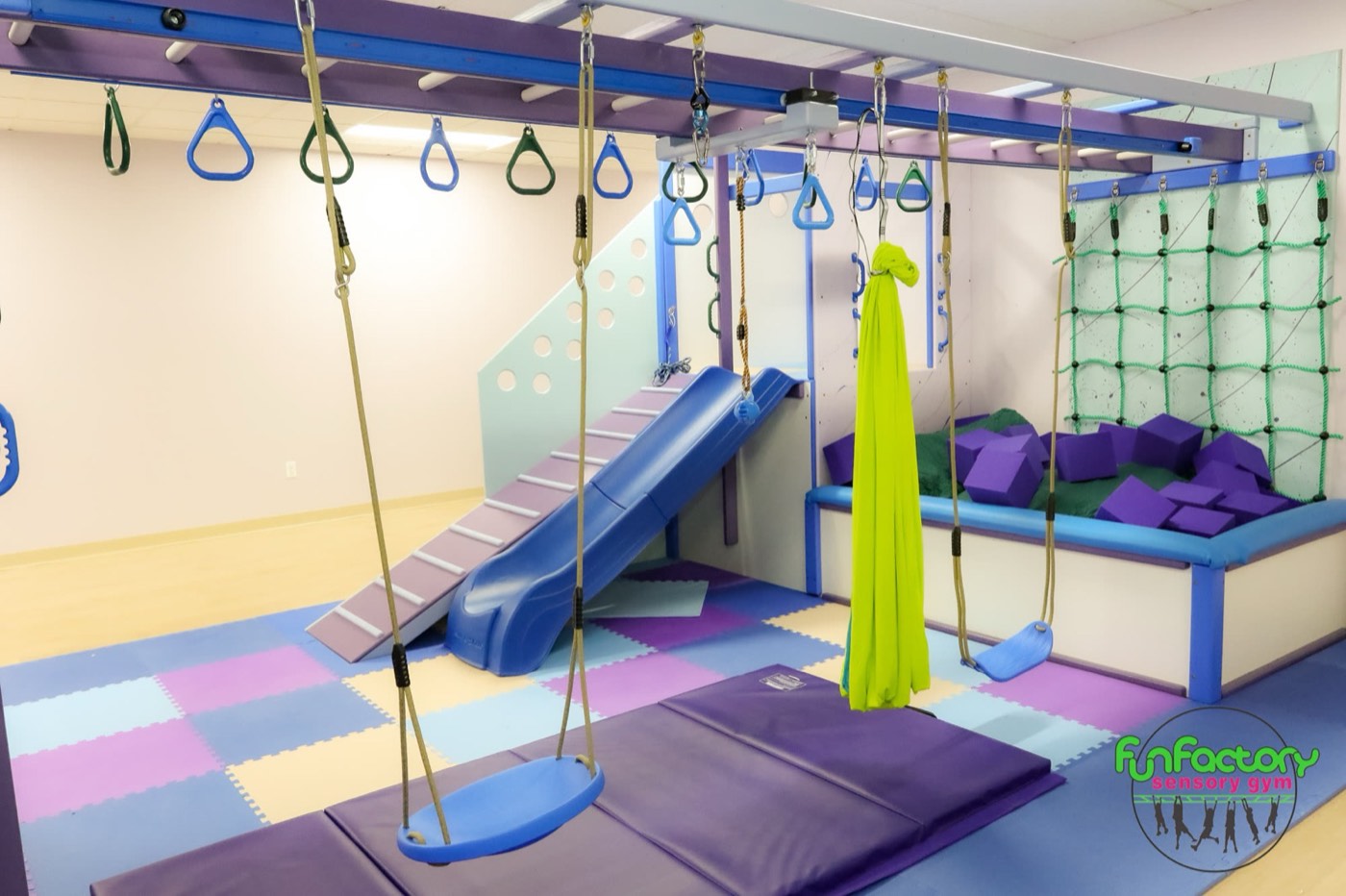
The pediatric clinic revenue streams that work beyond insurance are cash-pay programs built on what you already have, such as open play and sensory gym memberships, birthday parties, school-break camps, social skills groups, parent workshops and home-program consultations. Run each one as its own program with separate pricing, paperwork and booking, kept clearly apart from billed therapy, and they can bring in income, fill quiet hours and introduce new families to your clinic. This guide covers which programs fit, how to price and staff them, the billing and liability cautions, and how to fill them once they launch.
This article covers:
- Which cash-pay programs fit a pediatric therapy clinic
- How to price and staff them without guesswork
- Keeping programs separate from billed therapy
- Liability, waivers and insurance
- How a sensory gym makes these programs possible
- How to fill programs once they launch
Which programs fit a pediatric therapy clinic?
The programs that work use your space during hours it would otherwise sit empty and serve families who are already in your orbit. Open play and sensory gym memberships are the simplest, offering supervised gym time on evenings or weekends for kids who love the equipment, including siblings of current clients and children who have finished therapy and miss coming in. Birthday parties fit the same space on weekends, and a party planned around sensory needs is hard to find at a typical party venue, which makes it easy for parents to say yes.
Summer and school-break camps give working parents a structured option during weeks when routines fall apart, and themed camps built around motor skills, handwriting readiness or social play draw on what your team already knows. Social skills groups bring a few kids together for guided play and conversation practice, which suits speech and ABA teams well. Parent workshops on picky eating, sleep, meltdowns or getting ready for kindergarten put your clinicians in front of families who may become clients later. Home-program consultations, where a therapist helps a family set up a sensory space or a routine at home, give families on your waitlist or recently discharged something useful to buy.
How should I price and staff these programs?
Price from your own costs upward, then check the result against what families in your area already pay for similar things. Add up staff hours, including setup, cleanup and the front-desk time to book and confirm, plus supplies, any extra coverage your insurer requires, and the marketing it takes to fill each session. Then look at what local trampoline parks, gymnastics gyms, party venues and day camps charge, since parents will make that comparison whether you do or not. A price that covers your costs and sits comfortably inside the local range is a reasonable starting point, and you can adjust after the first season.
Staffing decides whether a program lasts. Decide up front who can run each one, because open play and parties may only need trained aides or behavior techs supervising, while workshops and home-program consults need a licensed clinician. Set a staff-to-child ratio you're comfortable with, especially around suspended equipment, and schedule clinician-led programs in hours that don't compete with billable sessions. Pilot each program once or twice before committing to a recurring schedule, and lean toward memberships and multi-session packages, which make demand easier to plan around than one-off drop-ins.
How do I keep programs separate from billed therapy?
Keep a bright line between what you bill to insurance and what families pay for directly, because payer contracts care about the difference. If you're in network with a plan, your contract may limit what you can charge that plan's members out of pocket. The APTA's guidance on cash practice compliance issues notes that in-network providers are generally obligated to accept the insurer's payment, and it tells owners to review each payer contract before charging in-network patients for noncovered services such as fitness services. OT, speech and ABA clinics have the same reason to check, and if you serve families on Medicaid, ask your billing advisor how your state's rules treat cash charges to enrolled children before you launch.
In practice, separation means programs get their own names, price lists, registration forms and receipts, and nothing about them appears in a therapy note or on a claim. Describe open play, parties and camps as recreation, enrichment or education, and keep the word treatment out of their marketing, since a family who thinks they're buying therapy may expect insurance to cover it or expect clinical progress you aren't tracking. If a social skills group is delivered and documented as treatment for kids with authorizations, it belongs in your billing workflow. If it's an enrichment group any child can join, keep it on the program side, and make sure families understand which is which before they pay.
What about liability and waivers?
Programs bring kids into your space who aren't under a plan of care, often in groups and with less one-on-one attention than a therapy session, so call your insurer before you launch anything. Ask whether your professional and general liability policies cover recreational programs, parties and camps, and whether you need added coverage. Then have an attorney in your state draft your participation waiver, registration form and party agreement. How much protection a parent-signed waiver for a child provides varies a lot from state to state, so a template downloaded from the internet may not hold up the way you expect.
Day-to-day habits matter as much as the paperwork. Write down supervision ratios and rules for each piece of equipment, check suspended equipment before every session, keep a record of any incident, and collect allergy and medical information at registration for parties and camps. Keep a sign-in record of who attended each session and who picked each child up, and treat everything families share at registration with the same care you give their other information.
How does a sensory gym make these programs possible?
Nearly every program on this list depends on having a space kids want to be in. A treatment room with a mat and a bolster can host a parent workshop, but it won't book a birthday party or sell an open-play membership. A full sensory gym with swings, a climbing wall, a foam ball pit and a zip line will, and it turns quiet evening and weekend hours into usable capacity. Fun Factory, which designs and installs custom sensory gyms for therapy clinics across North America, says the large facilities it builds also host birthday parties, open play, enrichment programs and community or special-needs programs.
If you're planning a gym and already know you want programs, tell the designer up front so the layout supports groups as well as one-on-one sessions. Fun Factory designs large multi-use rooms from the center out so the whole room flows, which is what lets a party and a therapy session coexist on the same floor plan on different days. Its sensory gym ROI calculator models payback from added therapy sessions, referrals and evaluations, so program revenue would come on top of what it shows. Our guide on whether a sensory gym is worth it for a therapy clinic covers the cost and planning side in full.
How do I fill programs once they launch?
Open play and parties draw from the wider community, so many of the families most likely to sign up have never heard of your clinic. Each program needs its own page on your website with dates, ages, price, what's included, photos of the space and a way to book without calling. Those pages give your ads and social posts somewhere to send people, and they can show up when parents search for things like a sensory friendly birthday party or a summer camp for kids with autism near them.
From there, promotion is mostly about timing. Run local Meta and Google ads in the weeks before camp registration opens or a new open-play season starts, and post the gym on social media whenever a party or camp fills a weekend. Answer every program inquiry quickly and keep past program families on a simple list so you can tell them when the next session opens, since the follow-up that turns parent inquiries into evaluations fills programs too. Driftlss, the team behind this site, builds each piece of this for pediatric clinics: custom clinic websites with a page for every program, Meta and Google ad campaigns aimed at families in your service area and built around what has openings, and a custom clinic CRM that puts every booking inquiry on one board with an owner and a next step.
The short version
Open play, memberships, parties, camps, social skills groups, parent workshops and home-program consults can all earn revenue beyond insurance for a pediatric clinic. Price each from your real costs and check it against local options, staff it at the right clinical level, keep it fully separate from billed therapy after reading your payer contracts, and bring in your insurer and a local attorney before launch. A sensory gym gives you the space to run these programs, while dedicated pages, well-timed ads and fast follow-up are what fill them.
Frequently asked questions
Can therapists run cash-pay programs for kids who are also in billed therapy?
In many cases, yes, but check your payer contracts first, since in-network agreements can limit what you charge members directly. Keep the program clearly separate from treatment in its name, paperwork and documentation.
Which program should a clinic start with?
Start with the one that uses idle space and needs the least clinician time, which for a clinic with a sensory gym is often open play or weekend birthday parties. Run it a few times, fix what doesn't work, then add the next.
Do we need a waiver for open play and parties?
Use a written participation waiver and registration form drafted by an attorney in your state, and confirm coverage with your insurer. How much a parent-signed waiver protects you varies by state, so a generic template is a risk.
How do we market programs without confusing them with therapy?
Give each program its own page, name and booking flow, describe it as recreation, enrichment or education, and say plainly that it is not a therapy service and is not billed to insurance.
Fill your programs from day one
The gym makes programs possible, and marketing is what makes them full. Fun Factory builds custom sensory gyms for clinics with room for open play, parties and groups, and Driftlss, the team behind this site, builds the program pages, ads, booking and follow-up that bring local families through the door. Talk to Driftlss about marketing your clinic's programs before your first one launches.